
Navigating E-Commerce Expansion: Strategies for Scalable Growth
The rapid growth of e-commerce presents both opportunities and challenges for businesses looking to expand. Scaling successfully requires robust logistics, technology-driven solutions, and seamless customer experiences. This blog explores key strategies to navigate e-commerce expansion effectively.
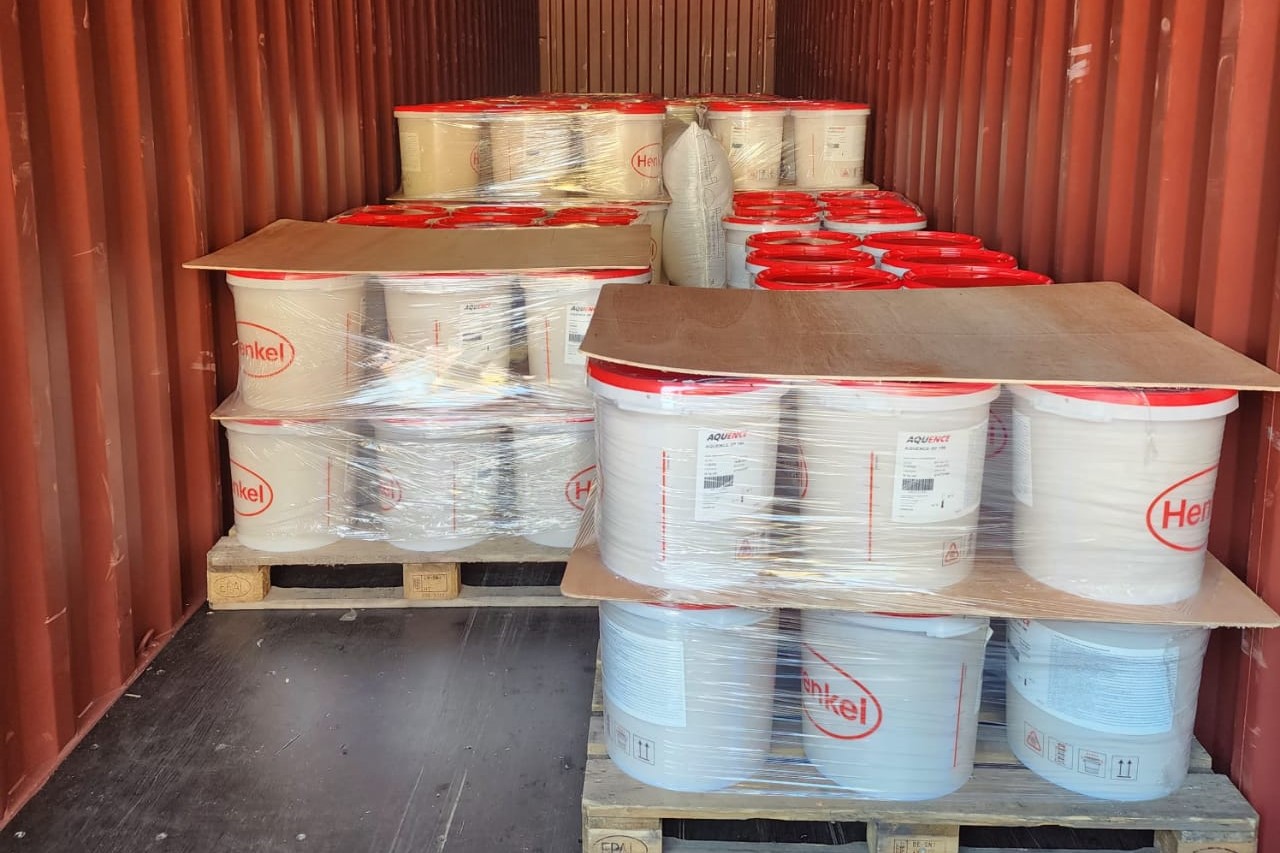
1. Strengthening Supply Chain & Fulfillment
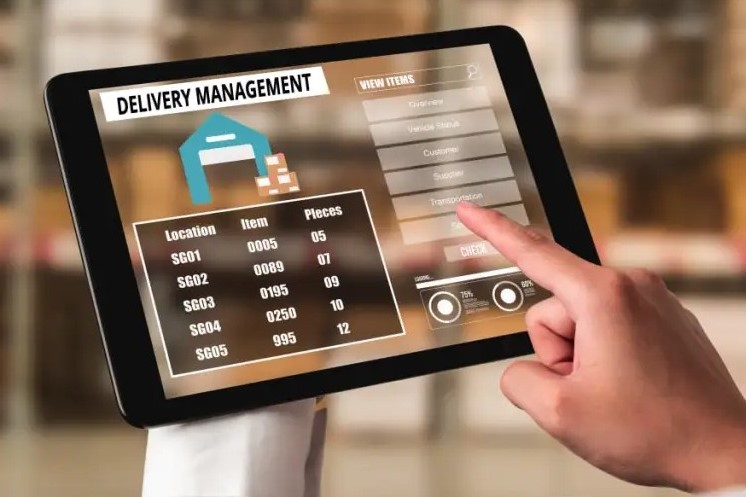
- Implement automated inventory management to optimize stock levels.
- Use multi-warehouse distribution to reduce shipping time and costs.
- Partner with third-party logistics (3PL) providers for efficient order fulfillment.
2. Leveraging Digital Marketing & SEO
- Optimize product listings with SEO-driven content for better search rankings.
- Utilize social media advertising, email marketing, and influencer partnerships.
- Enhance user experience with personalized recommendations and AI-driven analytics.
3. Expanding to Global Markets
- Implement localized websites with multi-language and multi-currency support.
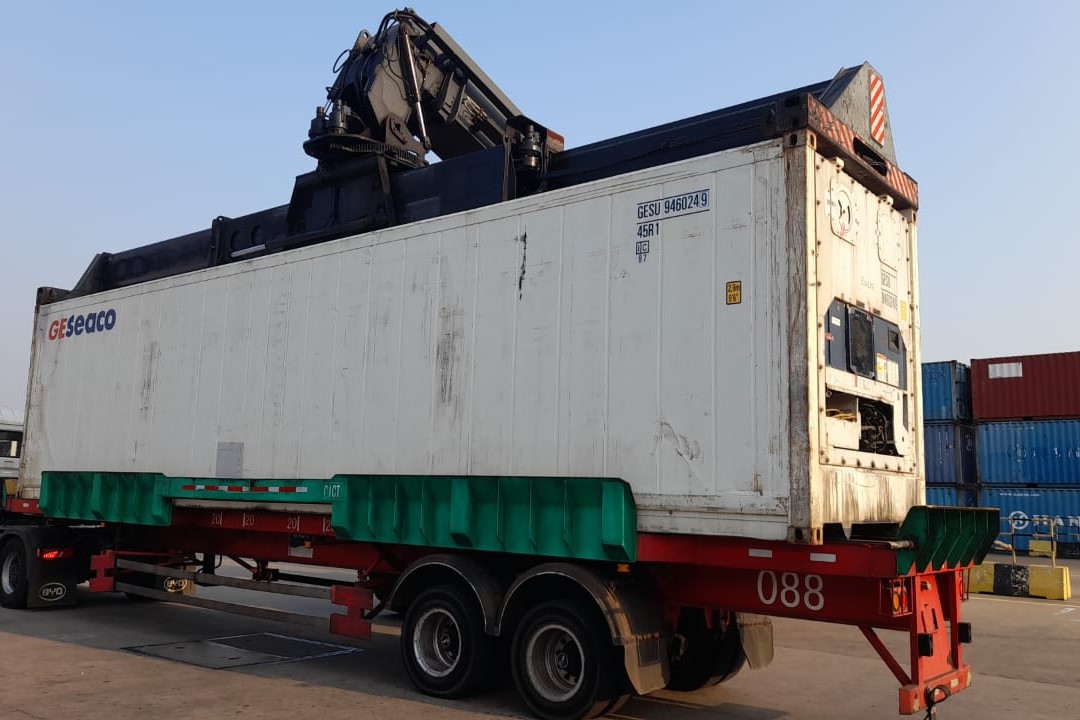
- Partner with international shipping providers for cost-effective cross-border logistics.
- Ensure compliance with customs regulations and tax laws for smooth transactions.
4. Enhancing Customer Experience
- Offer multiple payment options, including digital wallets and BNPL (Buy Now, Pay Later).
- Provide fast and hassle-free returns to build customer trust.
- Use chatbots and AI-driven customer support for instant query resolution.
5. Mobile Commerce & Omnichannel Strategy
- Optimize for mobile-first shopping with a responsive website and app.
- Implement BOPIS (Buy Online, Pick Up In-Store) for hybrid shopping experiences.
- Create an omnichannel presence to seamlessly integrate online and offline sales.
6. Cybersecurity & Data Protection
- Invest in secure payment gateways and fraud detection systems.
- Ensure GDPR and CCPA compliance for data privacy.
- Use AI-driven security tools to monitor and prevent cyber threats.
7. Technology & Automation
- Implement AI-driven chatbots, CRM systems, and marketing automation.
- Utilize predictive analytics to forecast demand and optimize pricing.
- Adopt blockchain technology for secure transactions and transparent supply chains.
Final Thoughts
E-commerce expansion requires a strategic blend of technology, logistics, and customer-centric approaches. By adopting scalable solutions, optimizing marketing efforts, and ensuring seamless fulfillment, businesses can achieve sustainable growth in a competitive market.