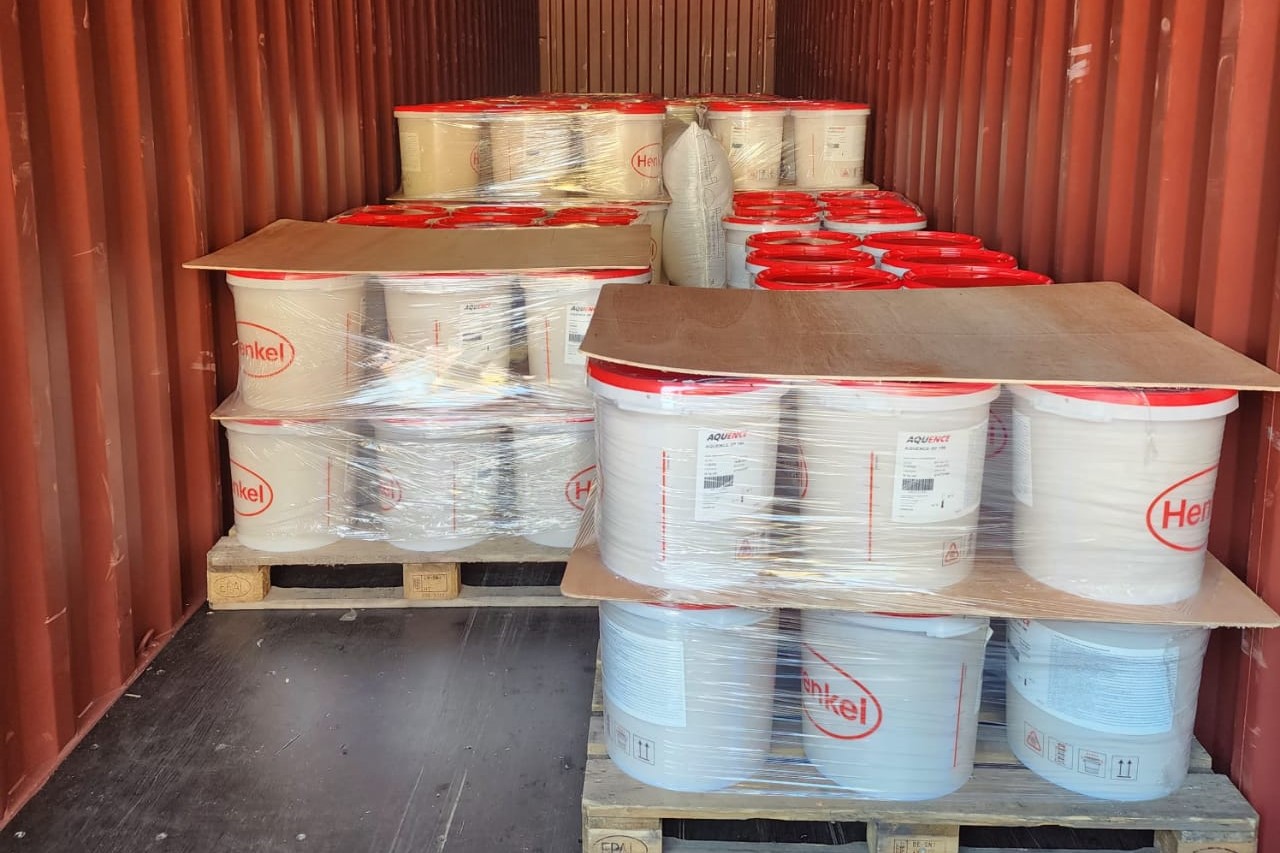

Navigating the Green Route: Building a Sustainable Supply Chain
As global industries shift towards sustainability, businesses are seeking eco-friendly practices to reduce their environmental footprint. A green supply chain minimizes waste, lowers carbon emissions, and promotes long-term sustainability. This blog explores key strategies for navigating the green route in supply chain management.
1. Adopting Sustainable Sourcing
Sourcing raw materials from certified eco-friendly suppliers reduces environmental impact. Using biodegradable, recycled, or renewable materials ensures ethical and sustainable production.
2. Energy-Efficient Warehousing
Implementing solar power, LED lighting, and energy-efficient HVAC systems in warehouses reduces carbon footprints. Automated storage and retrieval systems (AS/RS) optimize space and energy consumption.
3. Optimizing Transportation & Logistics
- Route optimization tools minimize fuel usage and emissions.
- Transitioning to electric or hybrid delivery vehicles lowers carbon output.
- Consolidated shipments and smart scheduling reduce transportation waste.
4. Green Packaging Solutions
Replacing traditional packaging with biodegradable, compostable, or reusable materials reduces waste. Lightweight and minimalist designs lower shipping costs and fuel consumption.
5. Waste Reduction & Recycling
Implementing a zero-waste policy encourages reusing and recycling within the supply chain. Circular economy models promote remanufacturing and refurbishing used products.
6. Digital Transformation for Sustainability
Technologies like blockchain for supply chain transparency, AI-driven demand forecasting, and paperless documentation reduce unnecessary resource consumption.
7. Compliance with Green Regulations
Following global environmental standards such as ISO 14001 and aligning with carbon-neutral initiatives ensure regulatory compliance and corporate responsibility.
Final Thoughts
Sustainability in supply chains is no longer optional—it’s a competitive advantage. By adopting green logistics, responsible sourcing, and energy-efficient practices, businesses can reduce costs, meet consumer expectations, and contribute to a healthier planet.